
October 2019 · Birth reported
Case at a glance
- Age described
- 32
- Earlier IVF cycles
- 3 in 3 countries
- Eggs retrieved at INCITA
- 26
- Blastocysts developed
- 20
- Blastocysts selected for screening
- 15
- Outcome recorded
- Birth in October 2019
Earlier treatment across three centers
The patient was 32 when the case was described. She had undergone three IVF attempts across centers in mainland China and two other countries. Each earlier retrieval produced 14–18 eggs, but the reported blastocysts were limited in number and quality. The transfers had ended in biochemical pregnancies.
The repeated disappointments had also become a significant emotional burden. At the first consultation, the team reviewed the previous responses and laboratory findings alongside her medical history.
The November 2018 cycle
The clinical team planned an individualized stimulation cycle. The account describes a lower medication dose than had been used in the earlier treatment and subsequent coordination with the laboratory.
Scroll across to view all columns.
| Milestone | Recorded finding |
|---|---|
| Egg retrieval | 26 eggs |
| Blastocyst development | 20 blastocysts |
| Selected for genetic screening | 15 higher-graded blastocysts |
| Transfer | A successful transfer was reported |
| Later family milestone | Birth on 22 October 2019 |
Fifteen blastocysts were selected for screening, but the number with normal chromosome findings is not specified. A testing-selection count should therefore be kept separate from a count of embryos passing screening.
What the sequence helps patients understand
A review of previous IVF looks beyond the number of eggs collected. Maturity, fertilization, culture, grading and transfer outcomes each describe a different point in the pathway. The patient’s later birth followed the whole sequence of assessment and treatment; these case-specific figures are not a general laboratory success rate.
For help organizing earlier records, see the laboratory results guide and the previous-cycle review pathway.
Images from this case
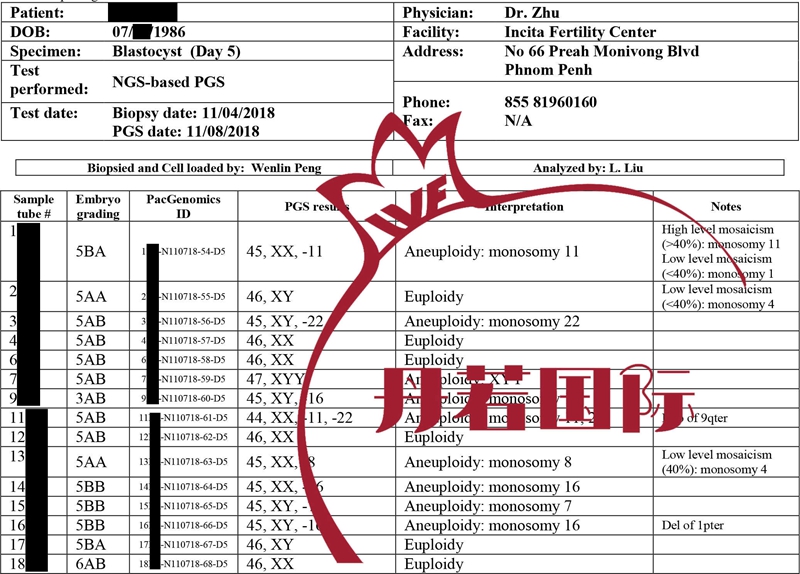

This is an individual account. Results depend on the patient and treatment circumstances and do not predict another person’s outcome.