On this page
Understanding IVF
IVF is a sequence of clinical and laboratory stages. Ovarian stimulation is followed by egg retrieval, fertilization, embryo culture and embryo transfer. Preparation and timing are tailored to the individual treatment plan.
Conventional IVF and ICSI
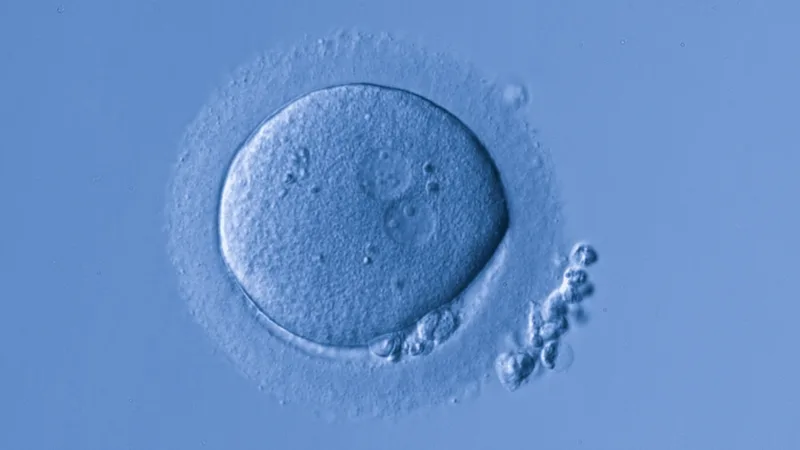
In conventional IVF, eggs and sperm are placed together for fertilization. With intracytoplasmic sperm injection (ICSI), an embryologist injects a single sperm into an egg. The clinical and laboratory teams determine the fertilization approach.
Embryo culture and transfer
Fertilized eggs are cultured in the laboratory. Treatment may include development to the blastocyst stage, embryo freezing and genetic testing before a later transfer. Endometrial preparation is coordinated with the transfer plan.
Assessment before a cycle
The initial review brings together ovarian reserve, reproductive hormone findings, ultrasound assessment and semen analysis. Previous treatment records are important when a patient has had unsuccessful cycles elsewhere.
A treatment plan may involve conventional stimulation or an individualized approach for reduced ovarian reserve or a previous poor response. The clinical team reviews the earlier response and the laboratory record together.
Monitoring and retrieval

Ovarian stimulation is monitored with blood tests and ultrasound. The medication plan is reviewed as follicles develop, and the doctor sets the final maturation injection and retrieval schedule.
Egg retrieval is carried out under ultrasound guidance. Local anesthesia is included; general anesthesia is available as a separately charged service. The timing of retrieval and sperm collection is coordinated with the laboratory.
Blastocyst culture and embryo testing
Where the plan includes blastocyst culture, embryos are assessed as they develop over the following days. A planned PGT cycle includes sampling outer-layer cells from a blastocyst and genetic analysis before transfer selection.
ICSI and PGT are different procedures: ICSI is a fertilization technique; PGT is testing of embryo biopsy material. They may be used within the same cycle, but they answer different clinical questions.
Preparation may take place in more than one location
Some patients complete early stimulation or endometrial preparation locally, with reports and medication records shared with INCITA. This requires coordination between clinicians before the cycle begins.
Patients may travel separately for retrieval and a later embryo transfer. A doctor-confirmed schedule is important because follicle development, laboratory results and endometrial preparation do not follow one timetable for everyone.
Semen findings in the IVF assessment
Semen analysis and reproductive history form part of the assessment alongside the female partner’s findings. Share existing reports for review before the team discusses the proposed fertilization method.
Male fertility assessment and semen findings
Following the clinical and laboratory stages
The numbers discussed during IVF describe different stages. Follicles seen on ultrasound, eggs retrieved, mature eggs, fertilized eggs and blastocysts are separate observations. Review the results in sequence with the team rather than treating the first count as a prediction of the final embryo number.
Scroll across to view all columns.
| Stage | Information discussed | What follows |
|---|---|---|
| Assessment and stimulation | Medical history, ovarian reserve, ultrasound and hormone monitoring | The clinical team selects and adjusts the stimulation plan. |
| Retrieval and fertilization | Egg maturity, semen findings and the proposed fertilization method | Conventional IVF or ICSI and subsequent embryo culture. |
| Embryo development | Development to the blastocyst stage and any planned biopsy | Review of embryo findings and, where included, genetic results. |
| Transfer and follow-up | Endometrial preparation, transfer timing and the testing schedule | Pregnancy testing and further review under the treating team’s instructions. |
Does ICSI include genetic testing?
No. ICSI is a fertilization method in which a sperm is injected into an egg. PGT-A, PGT-M and PGT-SR examine embryo biopsy material for different genetic questions. The fertilization method and the need for testing are discussed separately.
Will retrieval and embryo transfer be in the same visit?
They may require separate visits, particularly when embryos are frozen for genetic testing or transfer preparation is arranged later. Agree on the clinical and laboratory sequence before booking travel. See the treatment journey.
What does the package include?
The single-cycle PGT-A package includes one retrieval and one transfer; the two-year plan permits repeated retrievals within its term but still includes one transfer. Medical package fees exclude medication and pre-treatment examinations. The single-cycle USD planning budget includes an estimated medication allowance. Review the itemized fees and storage terms before comparing quotations.
Planning the transfer stage
Once the embryo and clinical findings have been reviewed, discuss the transfer pathway and the next visit. Read about fresh and frozen transfer, preparing for the appointment and the discussion about embryo number.