
On this page
What in vitro maturation means
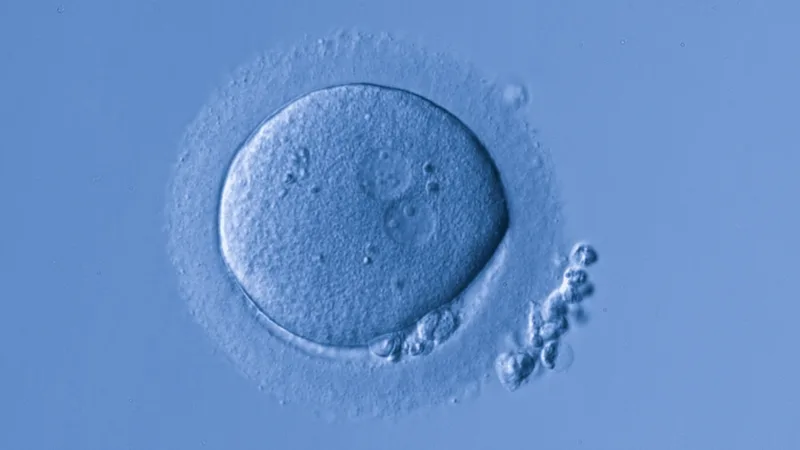
In vitro maturation (IVM) is a laboratory approach in which eggs retrieved in an immature state are cultured in specialized medium to support maturation. Matured eggs can then undergo ICSI, followed by embryo culture and an agreed transfer plan.
This differs from a conventional pathway in which the eggs used for fertilization have already reached the required maturity. The extra maturation step is carried out before fertilization.
When IVM may be discussed
The technique is particularly relevant to patients with an egg maturation disorder or a low proportion of mature eggs after retrieval. Such findings may have resulted in few usable embryos or cancellation of previous treatment cycles.
The hospital uses IVM in its laboratory and selects the handling approach according to the development of an individual patient’s retrieved eggs. The earlier egg maturity and fertilization record is therefore useful when reviewing a previous cycle.
How the laboratory stages fit together
Scroll across to view all columns.
| Stage | Purpose |
|---|---|
| Egg assessment | Identify the maturity of the retrieved eggs |
| Specialized culture | Support maturation of immature eggs in laboratory medium |
| ICSI | Fertilize eggs that reach the required maturity |
| Embryo culture | Assess subsequent embryo development |
| Transfer planning | Review available embryos within the individual treatment plan |
Culture medium and laboratory experience
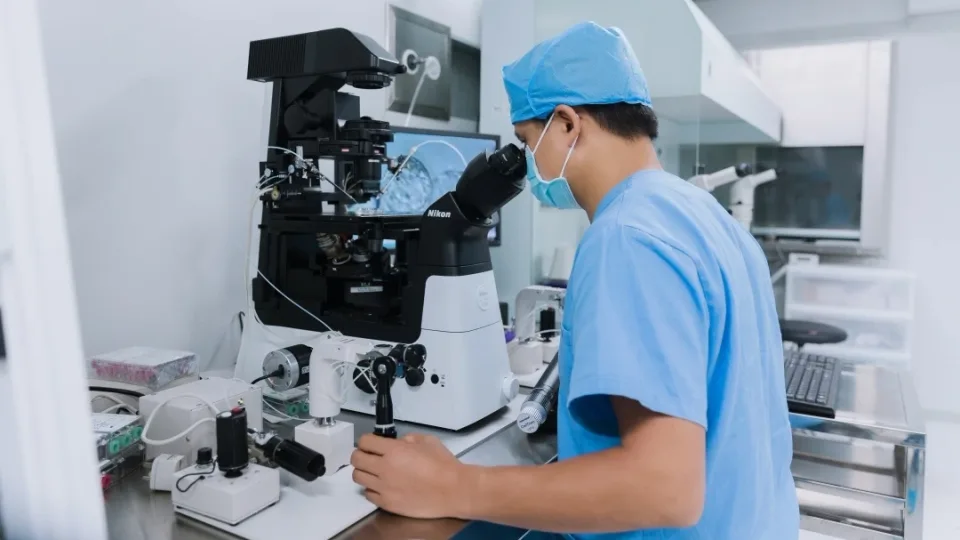
The specialized maturation medium is designed to provide elements of the environment supporting egg growth, including growth factors and nutrients. This is distinct from simply extending routine embryo culture.
Chief Embryologist Peng Wenlin’s laboratory leadership at Hong Kong Sanatorium & Hospital from 2004 to 2006 included successful use of IVM. His wider experience includes embryo biopsy, cryopreservation and laboratory management.
Reviewing a previous cycle
Share the retrieval summary, number of mature and immature eggs, fertilization findings and embryo development record. The team can then distinguish a maturity problem from low egg yield or poor development after fertilization.
The availability of IVM does not establish that it is the appropriate option in every low-response cycle. The clinical and laboratory teams review the actual findings before deciding on the next plan.
Understanding where IVM fits
IVM concerns the maturity of eggs available after retrieval. Egg number, egg maturity and later embryo development are different observations. When earlier treatment produced a high proportion of immature eggs, the maturity records help the team review both the clinical timing and the laboratory questions.
Scroll across to view all columns.
| Review point | Information for the team |
|---|---|
| Previous retrieval | Number of eggs and the maturity findings recorded by the laboratory. |
| Clinical timing | Monitoring, trigger-injection and retrieval records from the earlier cycle. |
| Laboratory handling | Whether immature eggs were cultured further and when fertilization was attempted. |
| Later development | Fertilization and embryo-culture findings, considered separately from the initial egg count. |
Is IVM the same as another egg retrieval?
No. Retrieval obtains the eggs; IVM is a laboratory approach in which immature eggs are cultured in specialized medium before fertilization, usually by ICSI.
Does IVM mean every immature egg will become an embryo?
The laboratory reviews the retrieved eggs and their development. IVM describes an approach to maturity, not a promised number of mature eggs, blastocysts or pregnancies.
What should I share after a previous low-maturity cycle?
Provide the maturity, trigger and retrieval records together with stimulation monitoring and subsequent fertilization findings. See review after unsuccessful IVF and the laboratory results guide.