
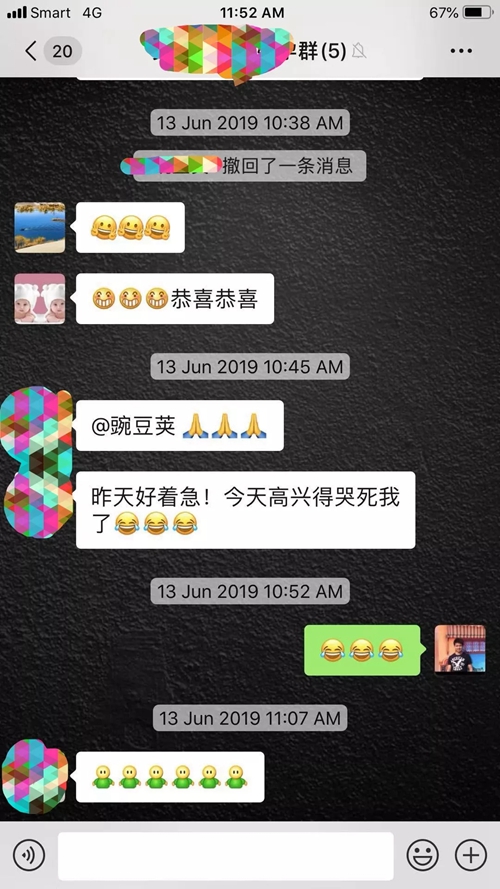
December 2019 · Pregnancy reported
Case at a glance
- Age described
- 44
- Earlier IVF findings
- No blastocyst in 2 previous cycles
- Follicles described per attempt
- 1–3
- Later embryo result
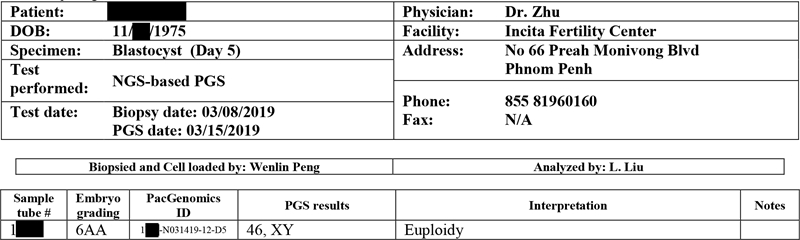
- 1 blastocyst passing the reported screening
- Stage reported
- Pregnancy at 30 weeks
Earlier treatment
The patient was 44 when her history was described. Two earlier IVF attempts in Thailand had produced no blastocyst, followed by another unsuccessful treatment attempt. She sought review of the previous findings and a further own-egg treatment pathway.
Repeated stimulation decisions
The patient chose the two-year retrieval programme described in the account. The clinical team adjusted stimulation according to each month’s hormone and follicle findings. Only one to three follicles were described per attempt, so obtaining an embryo required repeated efforts rather than a single predetermined retrieval result.
The case does not state an exact total number of retrievals. The important recorded sequence is repeated monitoring and treatment, followed by the development of one blastocyst.
The embryo and transfer milestones
The blastocyst passed the reported chromosome screening. After a transfer, the account recorded pregnancy at 30 weeks. This is the follow-up stage documented in that history; a later birth is not added to it.
What to clarify when considering a multi-retrieval plan
Ask how ovarian response will be reviewed between attempts, which testing is proposed and how transfer timing relates to the retrieval period. A programme that permits repeated retrievals does not promise a number of eggs or embryos.
The approved package terms also distinguish retrievals from transfers: one transfer is included, with additional transfers charged separately. See the package comparison and the low ovarian reserve consultation guide.
Images from this case
This is an individual account. Results depend on the patient and treatment circumstances and do not predict another person’s outcome.